Excavation is a necessary part of many utility, municipal, industrial, and infrastructure projects. But the method used to remove soil can have a major impact on safety, efficiency, site disruption, and the risk of damaging existing underground infrastructure.
Two common options are Hydrovac excavation and traditional mechanical excavation.
Traditional excavation uses equipment such as excavators and backhoes to mechanically remove soil. Hydrovac excavation takes a more precise approach, using pressurized water to loosen soil and a powerful vacuum system to remove the resulting slurry.
So, which method is right for your project?
Hydrovac excavation is often the better choice when precision is critical, buried utilities are present, or crews need to work in a congested or sensitive area. Traditional excavation is typically more practical when large volumes of soil need to be removed, and underground conflicts are limited.
For many projects, the most effective solution may even involve both.
What Is Hydrovac Excavation?
Hydrovac excavation, also called hydro excavation, uses pressurized water and vacuum technology to remove soil.
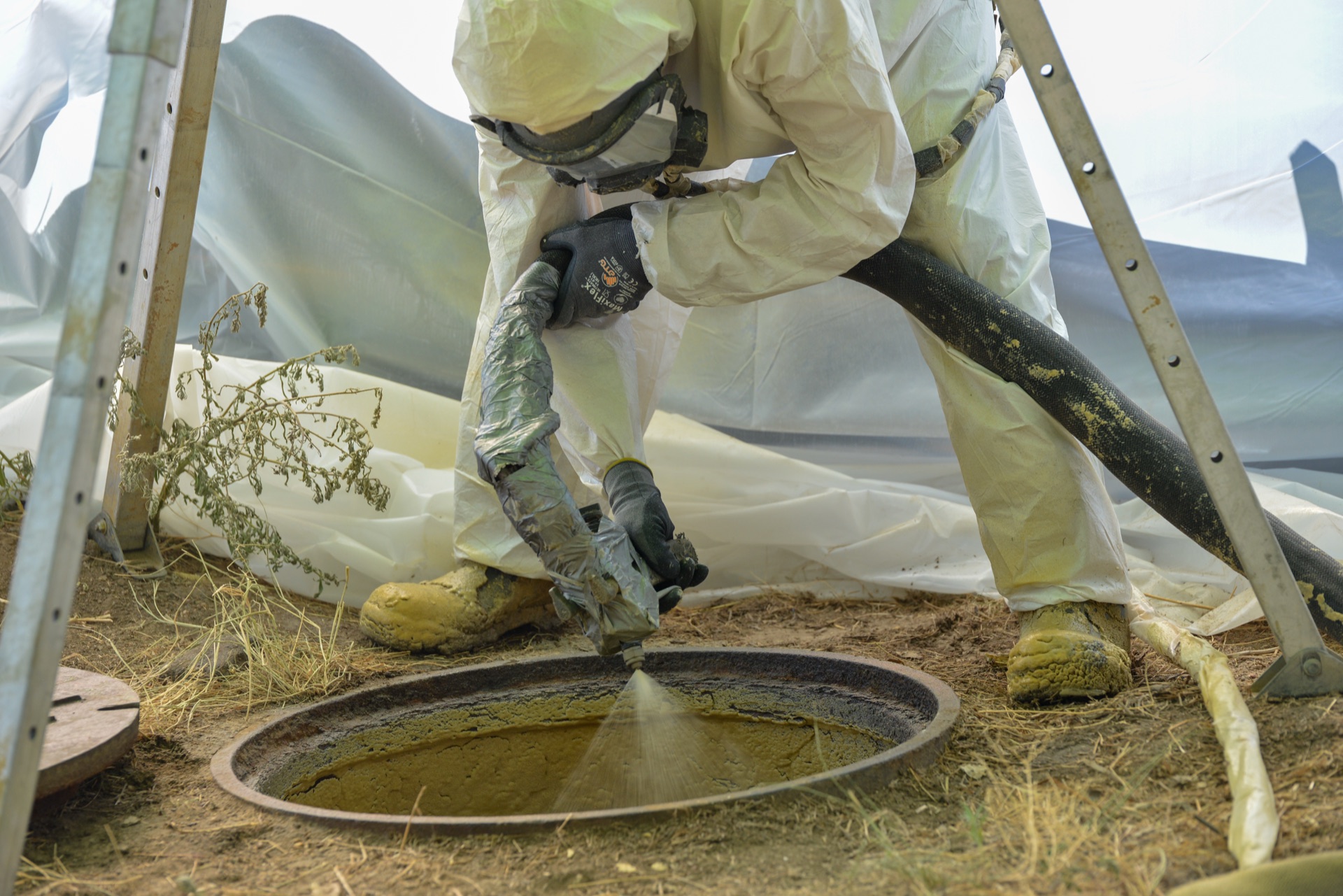
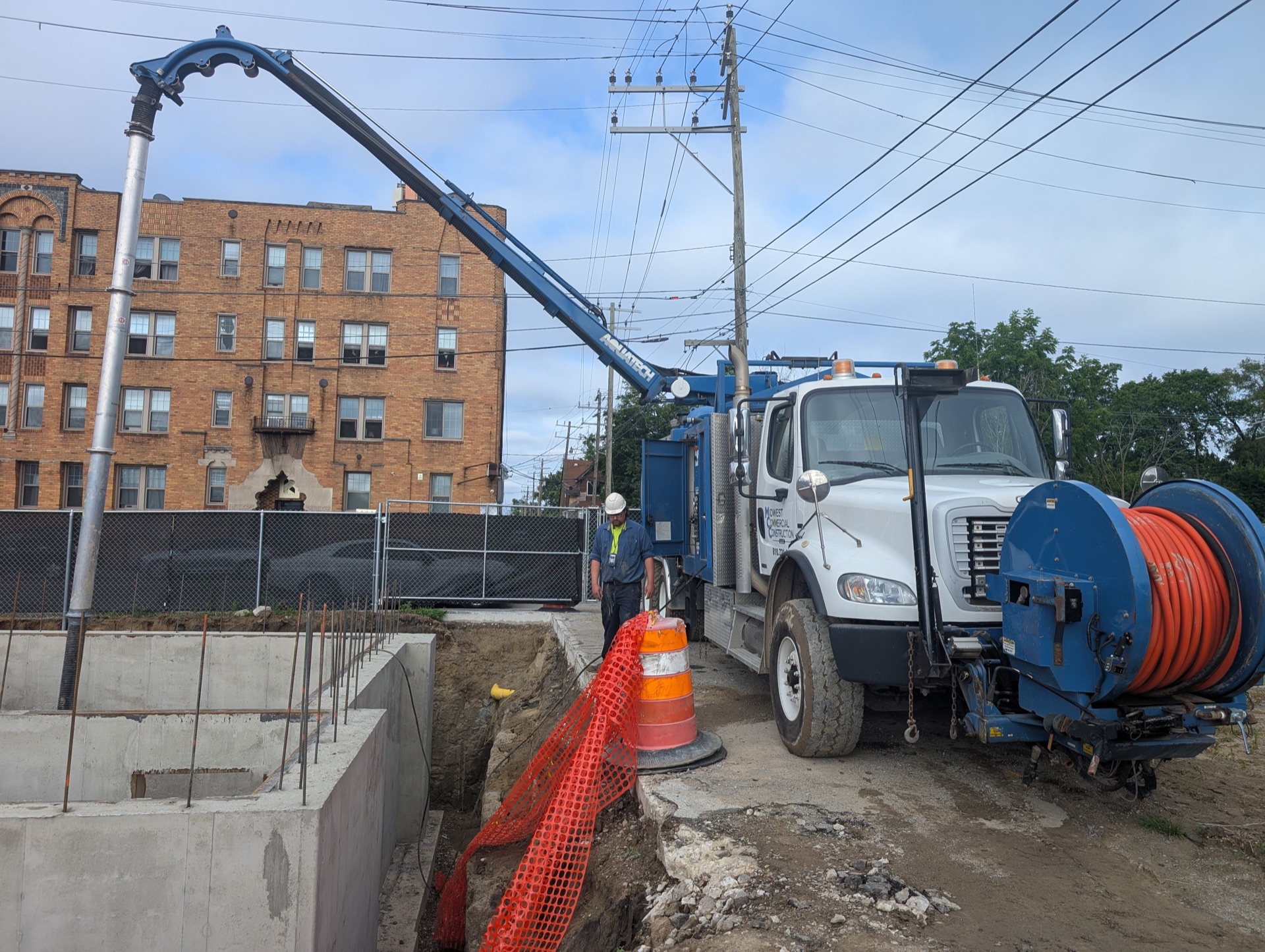
Pressurized water loosens the ground while a vacuum hose removes the resulting slurry and transfers it into a debris tank. Because crews are not relying on a bucket, blade, or trencher to dig directly around underground infrastructure, Hydrovac can provide a more controlled excavation method.
Common Hydrovac applications include:
- Utility daylighting
- Potholing
- Locating buried utilities
- Water and sewer work
- Slot trenching
- Pipeline maintenance
- Pole and sign installation
- Infrastructure rehabilitation
- Excavation in congested areas
This precision is one of the main reasons Hydrovac is frequently used when existing infrastructure needs to remain protected.
What Is Traditional Excavation?
Traditional excavation removes soil mechanically using equipment such as excavators, backhoes, trenchers, loaders, and hand tools.
Mechanical excavation is highly effective when a project requires crews to move large quantities of material. It is commonly used for site development, large trenches, foundations, grading, road construction, and bulk earthmoving.
The primary difference between the two methods is simple:
Traditional excavation physically cuts and removes soil, while Hydrovac loosens soil with water and removes it with vacuum suction.
That distinction becomes especially important when crews are working near buried gas, electrical, water, sewer, or communications infrastructure.
Hydrovac vs. Traditional Excavation at a Glance
| Consideration | Hydrovac Excavation | Traditional Excavation | | Precision | High | Moderate | | Working near buried utilities | Well suited | Requires greater caution | | Large volume excavation | Less efficient for some applications | Well suited | | Excavation footprint | Typically more localized | Often larger | | Utility daylighting | Excellent application | Less desirable near known utilities | | Congested work areas | Often advantageous | Equipment access can be more difficult | | Soil removal method | Water and vacuum | Mechanical digging | | Best suited for | Precision excavation | Bulk earthmoving |
The right choice depends on the site, excavation size, soil conditions, nearby utilities, accessibility, and the amount of material that needs to be removed.
When Is Hydrovac the Better Choice?
Hydrovac provides the most value when the consequences of inaccurate excavation are high.
Working Around Buried Utilities
One of the most common reasons to use Hydrovac is to expose underground utilities in a controlled manner.
A single work area may contain electric lines, gas lines, water mains, sewer lines, telecommunications infrastructure, and other buried facilities. Even after utilities have been marked, crews may still need to verify their exact horizontal and vertical location before drilling, trenching, or construction begins.
This process is commonly known as utility daylighting or potholing.
Hydrovac allows crews to carefully expose these utilities while reducing the need to place mechanical excavation equipment directly against them.
This can be especially useful before:
- Directional drilling
- Utility installation
- Sewer repairs
- Road reconstruction
- Trenching
- Pipeline work
- Infrastructure rehabilitation
When Precision and Limited Disturbance Matter
Sometimes the goal is not to move as much soil as possible. It is to remove only the soil needed to access a specific asset.
Hydrovac can create targeted excavations around pipes, valves, utility crossings, manholes, pipelines, and other underground infrastructure.
That can be particularly useful in developed areas where unnecessary excavation could disturb pavement, landscaping, traffic lanes, facilities, or nearby utilities.
It can also be advantageous in congested municipal and industrial areas where traditional excavation equipment may have limited room to operate.
A Common Project Scenario
Consider a contractor preparing for directional drilling beneath a roadway.
Utility markings show that several existing lines cross the proposed path, but their exact depths are uncertain.
Using an excavator to uncover every crossing could require larger excavation areas and bring mechanical equipment close to existing infrastructure.
Instead, a Hydrovac crew can create targeted potholes at each crossing point, expose the utilities, and allow the project team to verify their locations before drilling begins.
Once those locations are confirmed, the contractor can proceed with a clearer understanding of what is underground.
This is where Hydrovac adds real value. The goal is not simply to remove soil. It is to remove the right amount of soil in the right location while protecting what is already there.
When Is Traditional Excavation the Better Choice?
Hydrovac is not intended to replace mechanical excavation on every project.
Traditional excavation is often the more practical choice when large quantities of soil need to be removed, and sufficient space is available to operate heavy equipment safely.
Common examples include:
- Large foundation excavations
- Site development
- Major grading
- Large open trenches
- Road construction
- Bulk earthmoving
- Projects with minimal underground conflicts
In these situations, excavators and backhoes can typically move material faster and more economically.
Sometimes the Best Approach Uses Both
Hydrovac and traditional excavation do not always need to compete.
On many construction and infrastructure projects, they can work together.
Hydrovac may first be used to daylight utilities and identify their exact positions. Once sensitive areas have been exposed and verified, mechanical equipment can perform larger excavation where appropriate.
This allows each method to be used for what it does best:
Hydrovac for precision. Mechanical excavation for volume.
Does Hydrovac Reduce the Risk of Utility Damage?
One of Hydrovac’s primary advantages is that it reduces the need for mechanical digging immediately around buried infrastructure.
An excavator bucket, trencher, or other mechanical equipment can damage a utility if direct contact occurs. Hydrovac instead uses pressurized water to loosen surrounding soil before vacuuming it away.
Hydrovac work still requires proper utility locating, trained operators, appropriate water pressure, careful site planning, and safe operating procedures.
However, it can provide a controlled method of exposing buried infrastructure while reducing the potential for mechanical contact.
Avoiding utility damage can also help prevent:
- Service interruptions
- Project delays
- Emergency repairs
- Damage to existing infrastructure
- Safety hazards
- Unexpected project costs
For contractors, municipalities, and asset owners, those potential consequences can be just as important as the excavation cost itself.
Is Hydrovac More Expensive Than Traditional Excavation?
There is no universal answer because project costs vary based on several factors.
These may include:
- Excavation dimensions
- Soil conditions
- Depth
- Accessibility
- Number of excavation locations
- Underground congestion
- Disposal requirements
- Restoration needs
- Project duration
Hydrovac should not be evaluated solely by comparing the hourly rate of a Hydrovac truck with the hourly rate of a backhoe.
The better question is:
Which excavation method provides the best overall value for the work that needs to be completed?
For example, if a contractor only needs to expose several utilities at precise locations, Hydrovac may reduce unnecessary excavation, restoration, traffic control, and site disturbance.
If a project requires large-scale earthmoving in an open area, mechanical excavation will usually be the more economical option.
Can Hydrovac Work in Michigan Winter Conditions?
Cold weather can make excavation more challenging, particularly when the ground freezes.
Hydrovac equipment can use heated water to help loosen frozen soil, making it useful for certain winter excavation applications.
However, winter projects require additional planning. Frost depth, air temperature, water management, equipment capabilities, site conditions, and disposal requirements can all affect the excavation process.
For Michigan contractors and municipalities, Hydrovac can provide a valuable option when precision excavation is still needed during colder months.
Hydrovac vs. Traditional Excavation: Which Should You Choose?
The simplest way to decide is to consider the primary objective of the excavation.
Hydrovac may be the better choice when:
- You are working near buried utilities.
- Exact utility locations need to be confirmed.
- Precision is important.
- The excavation area is congested.
- Surface disruption should be minimized.
- Existing infrastructure needs to be protected.
- Access for conventional equipment is limited.
Traditional excavation may be the better choice when:
- Large volumes of material need to be removed.
- The work area is open and accessible.
- Underground utility conflicts are minimal.
- Bulk earthmoving is the primary objective.
For many infrastructure projects, the most effective strategy may be a combination of both methods.
Hydrovac Excavation Services in Michigan
Excavating around existing infrastructure requires more than simply moving dirt.
It requires understanding what is underground, how surrounding assets need to be protected, and which excavation method best fits the project.
Midwest Infra provides Hydrovac services throughout Michigan for contractors, municipalities, utilities, and industrial customers requiring controlled excavation around existing underground infrastructure.
Hydrovac also complements Midwest Infra’s broader capabilities in sewer maintenance and infrastructure rehabilitation, helping project teams address multiple underground infrastructure needs with an experienced partner.
Not sure whether Hydrovac or mechanical excavation is the better fit for your project? Contact Midwest Infra to discuss your site conditions, excavation requirements, and project goals.
Frequently Asked Questions About Hydrovac Excavation
What is the difference between Hydrovac and traditional excavation?
Hydrovac uses pressurized water to loosen soil and a vacuum system to remove it. Traditional excavation mechanically removes soil using equipment such as excavators, backhoes, and trenchers. Hydrovac is typically better suited for precise excavation around buried infrastructure, while mechanical excavation is generally more efficient for large-scale earthmoving.
Is Hydrovac safe around underground utilities?
Hydrovac is commonly used around buried utilities because it reduces the need for mechanical digging directly against underground infrastructure. Proper utility locating, trained operators, site-specific procedures, and appropriate water pressure are still important.
What is utility daylighting?
Utility daylighting is the process of exposing an underground utility so crews can visually verify its location, depth, and direction before construction or excavation proceeds.
Is Hydrovac better than a backhoe?
It depends on the project. Hydrovac is generally better suited for precision excavation around existing utilities. A backhoe or excavator is often more efficient when large amounts of soil need to be moved in an open area.
Can Hydrovac work in frozen ground?
Yes. Hydrovac equipment can use heated water to help loosen frozen soil, making it useful for certain winter excavation applications. Frost depth, temperature, site conditions, and equipment capabilities still affect project feasibility.