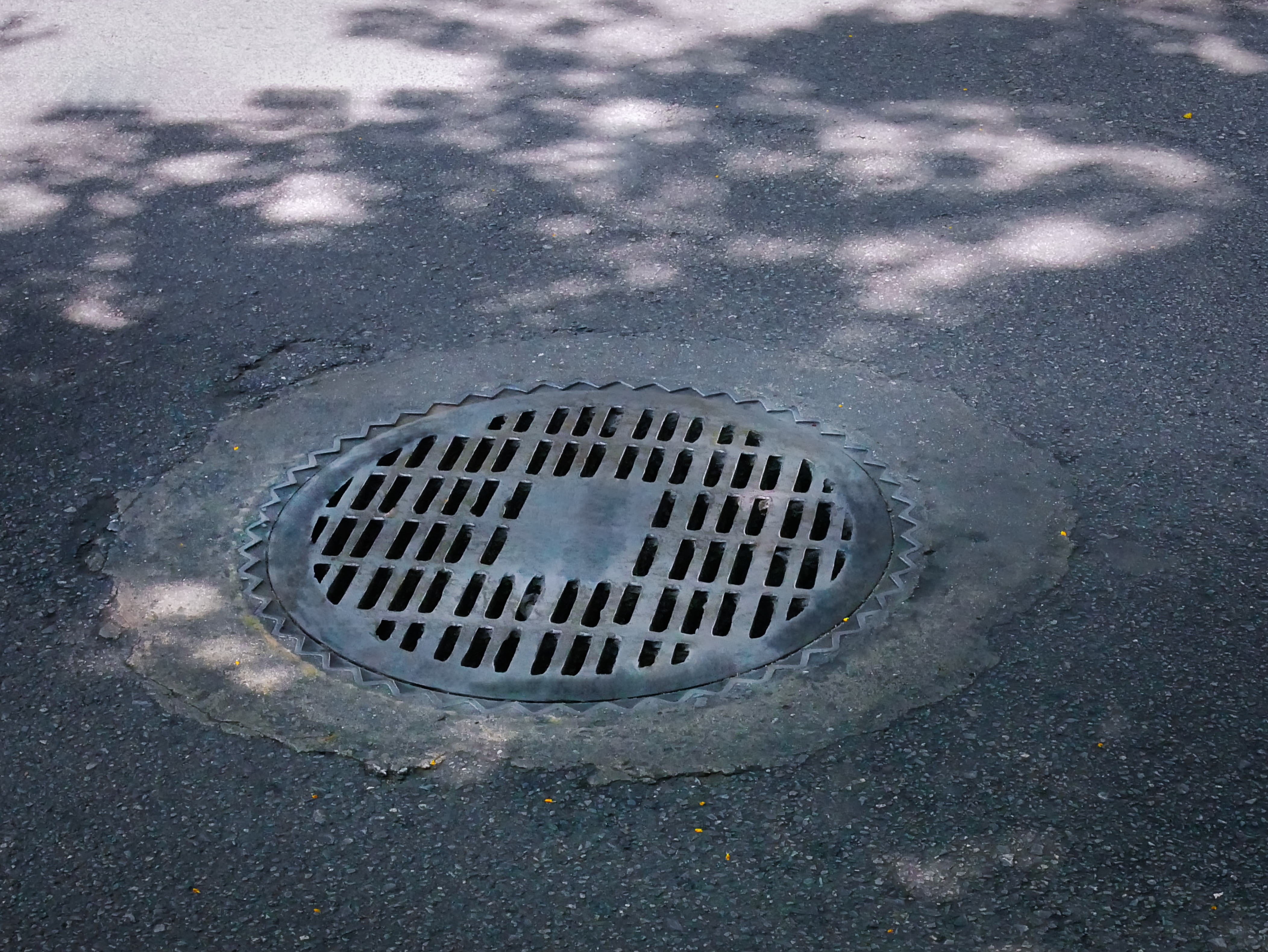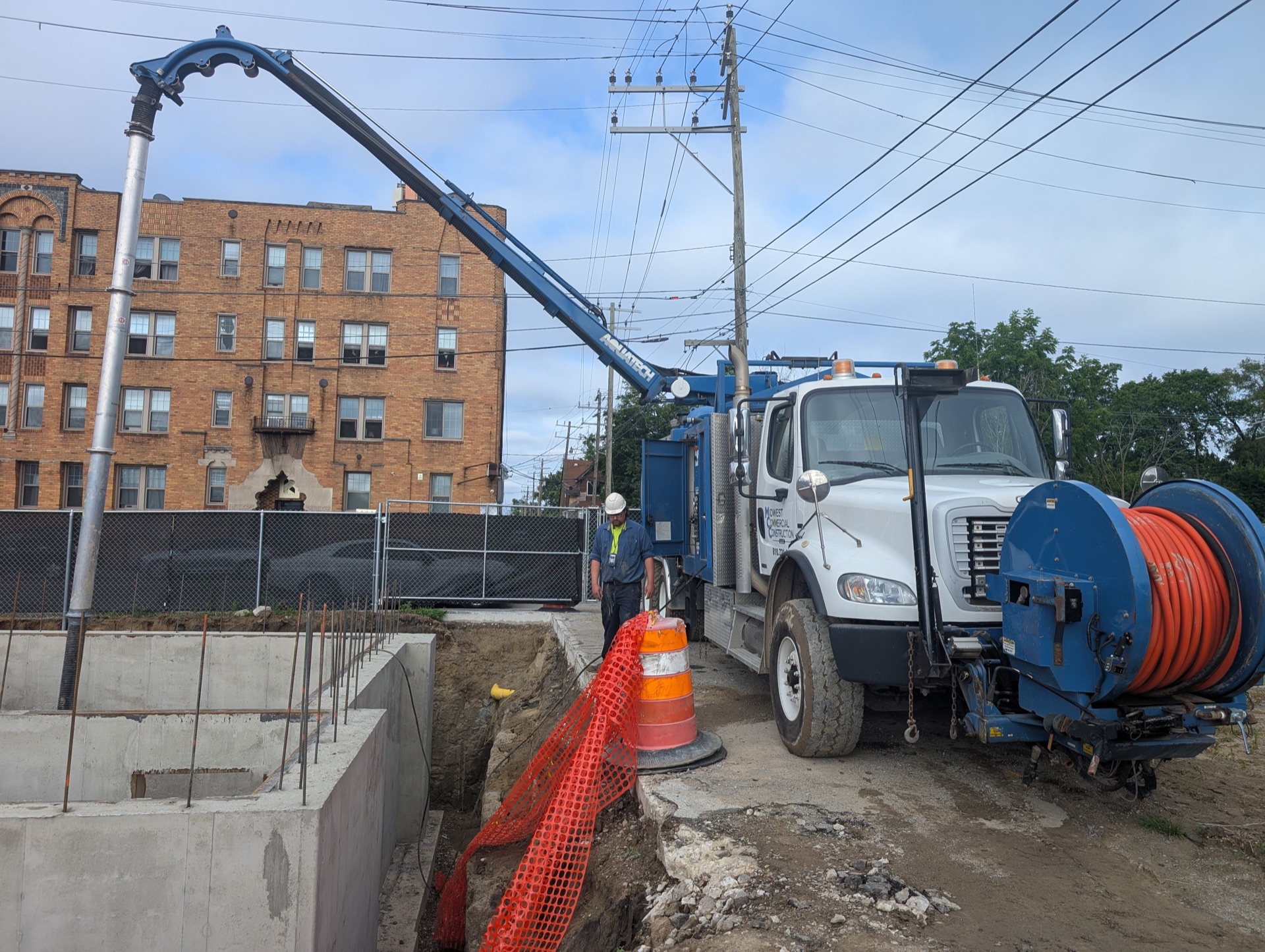
Communities, transportation agencies, and facility owners across Michigan depend on underground infrastructure that has often been in service for decades. As culverts, manholes, lift stations, wet wells, and other structures deteriorate, owners eventually face an important decision: Should the structure be completely replaced, or can it be rehabilitated?
Replacement may be necessary when an asset has collapsed, shifted significantly, or can no longer support its intended use. However, many deteriorating structures can be restored through trenchless infrastructure rehabilitation.
Trenchless rehabilitation allows infrastructure owners to address structural deterioration, corrosion, and water infiltration without the extensive excavation associated with traditional replacement. When the existing structure is a suitable candidate, rehabilitation can extend its service life while reducing construction time, site disruption, and restoration requirements.
What Is Trenchless Infrastructure Rehabilitation?
Trenchless infrastructure rehabilitation is the process of repairing or reinforcing an existing structure while leaving most of the surrounding soil, pavement, landscaping, and property undisturbed.
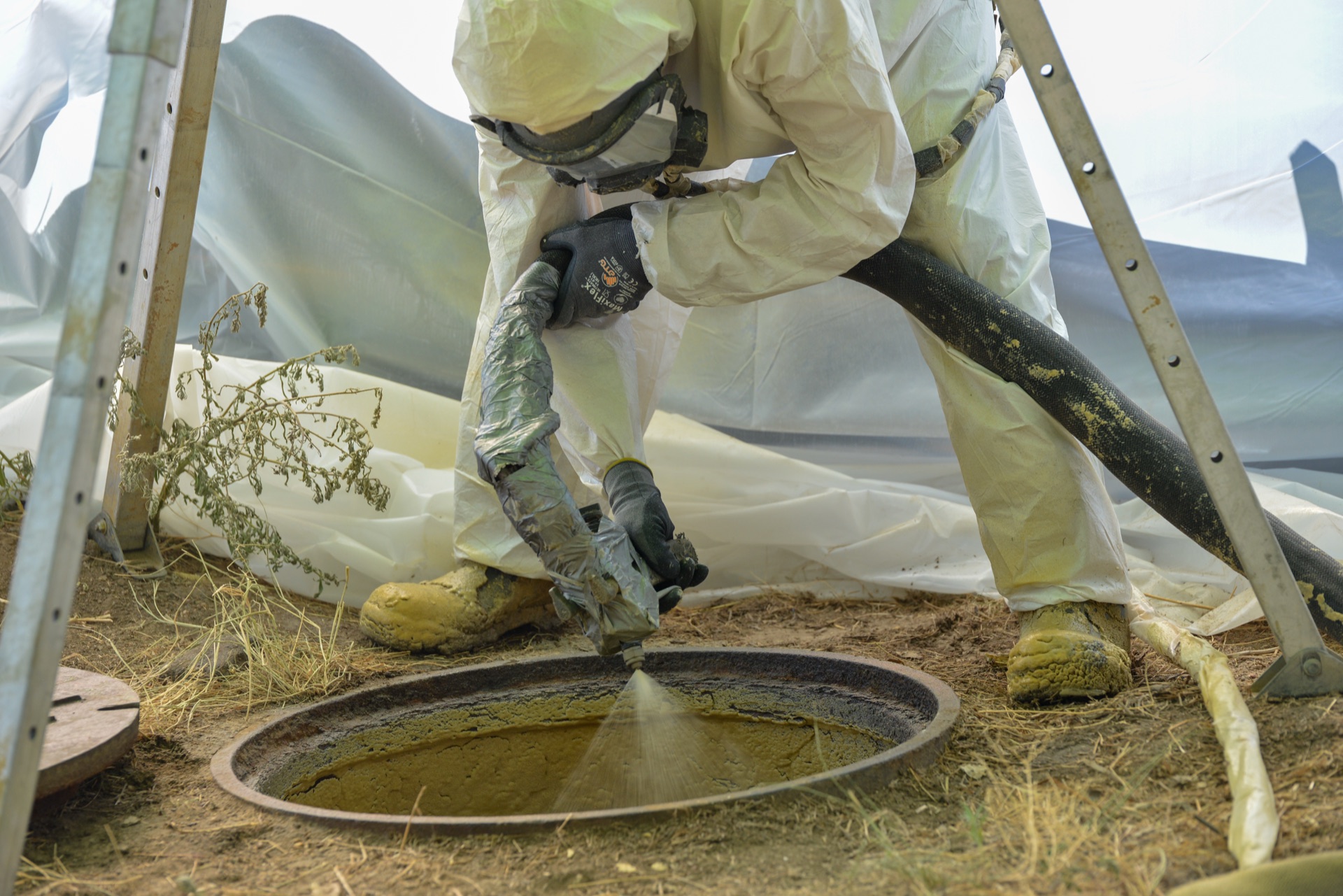
Instead of excavating and removing the entire asset, contractors access the existing structure, prepare its interior surface, and install a rehabilitation system designed for the project’s specific conditions.
Midwest Infra specializes in spray-applied structural rehabilitation for assets including:
- Corrugated metal pipe culverts
- Manholes
- Lift stations
- Wet wells
As a Sprayroq Certified Partner, Midwest Infra applies SprayWall, a self-priming polyurethane lining designed to reinstate structural integrity while providing corrosion resistance and infiltration control.
This approach allows the existing structure to serve as the foundation for a new structural lining rather than requiring the entire asset to be removed.
Rehabilitation Versus Replacement
Traditional replacement typically requires crews to excavate the area surrounding a damaged structure, remove the existing asset, install a new structure, backfill the excavation, and restore the affected surface.
Depending on the location, restoration may involve rebuilding pavement, curbs, sidewalks, landscaping, parking areas, or other site features. Traffic control, utility coordination, and bypass pumping may also be required.
Trenchless rehabilitation takes a different approach. Most of the work occurs from within the existing structure, which can significantly reduce the project’s surface footprint.
The best solution depends on the asset’s condition, location, intended use, access requirements, and engineering needs. Rehabilitation is not automatically appropriate for every structure, but it should be considered before committing to a full replacement project.
When Should Rehabilitation Be Considered?
Several conditions may make an asset a good candidate for trenchless rehabilitation.
The Structure Is Deteriorated but Still Accessible
A structure does not always need to be replaced simply because corrosion, cracking, spalling, or material loss is visible.
If crews can safely access and properly prepare the structure, a structural lining system may be able to restore its integrity. The condition of the existing substrate, the extent of deterioration, and the project’s design requirements must all be evaluated before a rehabilitation method is selected.
Excavation Would Cause Significant Disruption
Many underground assets are located beneath roads, intersections, parking areas, industrial facilities, or developed properties. Replacing these structures may require extensive excavation and surface restoration.
Trenchless rehabilitation can be particularly valuable when excavation would:
- Interrupt traffic
- Restrict access to homes or businesses
- Affect nearby operations
- Damage established landscaping
- Require substantial pavement restoration
- Create additional coordination with surrounding utilities
Because the lining is installed from within the asset, rehabilitation can reduce disturbance to the surrounding community and project site.
Corrosion Is Reducing the Asset’s Service Life
Wastewater and stormwater structures may be exposed to moisture, chemicals, abrasion, hydrogen sulfide, and other conditions that gradually deteriorate concrete or metal.
Surface patches may address a visible defect, but they do not always provide a comprehensive structural or corrosion-resistant solution.
A monolithic lining can create a continuous protective barrier across the prepared surface. SprayWall is a 100 percent solids polyurethane lining developed to provide structural enhancement as well as corrosion resistance.
Water Infiltration Is Affecting the Structure
Cracks, joints, penetrations, and deteriorated surfaces can allow groundwater to enter wastewater infrastructure. This infiltration can place unnecessary demand on collection and treatment systems.
Rehabilitation may help control infiltration while also addressing deterioration within the structure; however, active leaks and groundwater conditions must be properly managed during preparation and installation.
The Owner Needs to Limit the Construction Schedule
Full replacement projects can involve excavation, removal, installation, backfilling, surface restoration, and extended traffic or site controls.
Spray-applied rehabilitation systems can often be installed with a smaller project footprint and a faster return to service than conventional replacement.
Actual schedules will vary based on the size and condition of the structure, surface preparation requirements, access, flow control, weather, and project specifications.
When Is Replacement Still Necessary?
Trenchless rehabilitation provides significant advantages, but it is not the correct solution for every asset.
Replacement may be necessary when:
- The structure has fully collapsed
- Severe deformation prevents proper preparation or installation
- The asset has shifted or separated beyond acceptable limits
- The existing alignment or capacity no longer meets the owner’s needs
- Access conditions prevent safe rehabilitation
- The asset requires substantial redesign or relocation
The goal is not to avoid replacement at all costs. The goal is to choose the solution that appropriately addresses the asset’s condition, performance requirements, and expected service life.
What Happens During a Trenchless Rehabilitation Project?
Although every project is different, the process generally begins with a review of the asset’s condition and project requirements.
1. Project Evaluation
The owner, engineer, and rehabilitation contractor review available information, which may include inspection reports, photographs, video footage, dimensions, flow conditions, access limitations, and project specifications.
2. Cleaning and Surface Preparation
The surface must be cleaned and prepared before the lining is installed. Dirt, grease, corrosion, loose material, and other contaminants can interfere with the performance of the rehabilitation system.
Preparation requirements depend on the substrate and the conditions found within the structure.
3. Infiltration and Substrate Repairs
Active infiltration, voids, damaged areas, and irregular surfaces may need to be addressed before lining begins. This creates a suitable surface for the specified rehabilitation system.
4. Structural Lining Application
The lining is applied at the thickness required by the project design. Spray application allows the material to conform to irregular shapes, penetrations, transitions, and other details commonly found within underground structures.
5. Inspection and Return to Service
After installation, the completed lining is inspected for continuity, thickness, and overall quality according to the project requirements. Once the system has sufficiently cured, the structure can be returned to service.
What Are the Potential Benefits of Rehabilitation?
When an asset is an appropriate candidate, trenchless rehabilitation may provide several advantages.
Reduced Excavation
Keeping the existing structure in place can reduce the amount of soil, pavement, and surrounding material that must be disturbed.
Less Community Disruption
A smaller construction footprint can help limit traffic restrictions, noise, access concerns, and interruptions to nearby properties.
Lower Restoration Requirements
Projects may require less pavement, landscaping, curb, sidewalk, or site restoration than traditional excavation and replacement.
Structural and Corrosion Protection
A properly designed structural lining can reinforce the existing asset while protecting it from conditions that contributed to its deterioration.
Faster Project Completion
Reducing excavation and restoration can shorten the overall construction process, although schedules depend on the specific project.
Extended Asset Service Life
Rehabilitation allows owners to preserve existing infrastructure and defer the need for a much larger replacement project when conditions permit.
Which Assets Can Be Rehabilitated?
Trenchless structural rehabilitation can be considered for several types of municipal, transportation, industrial, and commercial infrastructure.
Corrugated Metal Pipe Culverts
Corrugated metal pipe can deteriorate because of corrosion, abrasion, invert loss, and prolonged exposure to water. Rehabilitation may restore structural integrity without excavating the roadway or property above the culvert.
Manholes
Manholes may experience corrosion, cracking, infiltration, and concrete deterioration. A structural lining can create a continuous protective surface while reinforcing the existing structure.
Lift Stations and Wet Wells
These structures often operate in aggressive wastewater environments. Rehabilitation can address deteriorated surfaces while providing resistance to corrosion and chemical exposure.
Every asset must be evaluated individually. Dimensions, deterioration, access, water conditions, operating requirements, and engineering criteria all influence whether rehabilitation is appropriate.
Questions to Ask Before Choosing a Solution
Before selecting rehabilitation or replacement, infrastructure owners should consider the following questions:
- What is the current structural condition of the asset?
- Is the deterioration localized or widespread?
- Can the structure be safely accessed and prepared?
- Is water infiltration present?
- What loading conditions must the structure support?
- How would excavation affect traffic, operations, or surrounding property?
- What surface restoration would replacement require?
- What is the expected service life of each option?
- Can rehabilitation meet the project’s engineering and performance requirements?
Answering these questions can help owners compare the full project impact of each option rather than focusing only on the initial construction method.
Work With Michigan’s Trenchless Infrastructure Specialists
Midwest Infra provides trenchless structural rehabilitation for municipalities, the Michigan Department of Transportation, county road commissions, and private industrial clients throughout Michigan.
We rehabilitate corrugated metal pipe culverts, manholes, lift stations, and wet wells using spray-applied structural lining technology.
Our team works with owners, engineers, and contractors to review existing conditions, understand project requirements, and determine whether rehabilitation may offer a practical alternative to replacement.
Before planning a disruptive excavation project, consider whether the existing asset can be restored from within.
Contact Midwest Infra to discuss your deteriorated culvert, manhole, lift station, or wet well and determine the appropriate next step for your project.
Frequently Asked Questions
Is trenchless rehabilitation appropriate for every deteriorated structure?
No. The asset’s structural condition, dimensions, access, alignment, substrate, and intended use must be evaluated. Severely collapsed or displaced structures may require replacement.
Does trenchless rehabilitation require any excavation?
Some excavation may still be required for access, flow control, or related repairs. However, the amount of excavation is often substantially less than what would be needed to remove and replace the entire structure.
Can trenchless rehabilitation address structural deterioration?
Yes, when a structural rehabilitation system is properly designed and installed for the asset. Midwest Infra applies SprayWall, which is designed to reinstate structural integrity while providing corrosion and infiltration protection.
What information is helpful when requesting a project review?
Useful information includes the asset type, dimensions, location, photographs, inspection reports, video footage, flow conditions, access limitations, and a description of the observed deterioration.
Who does Midwest Infra serve?
Midwest Infra works with municipalities, MDOT, county road commissions, engineers, contractors, and private industrial clients across Michigan.