Sewer systems are designed to keep wastewater and stormwater moving, but over time, roots, grease, sediment, debris, and other materials can accumulate inside pipes and restrict flow.
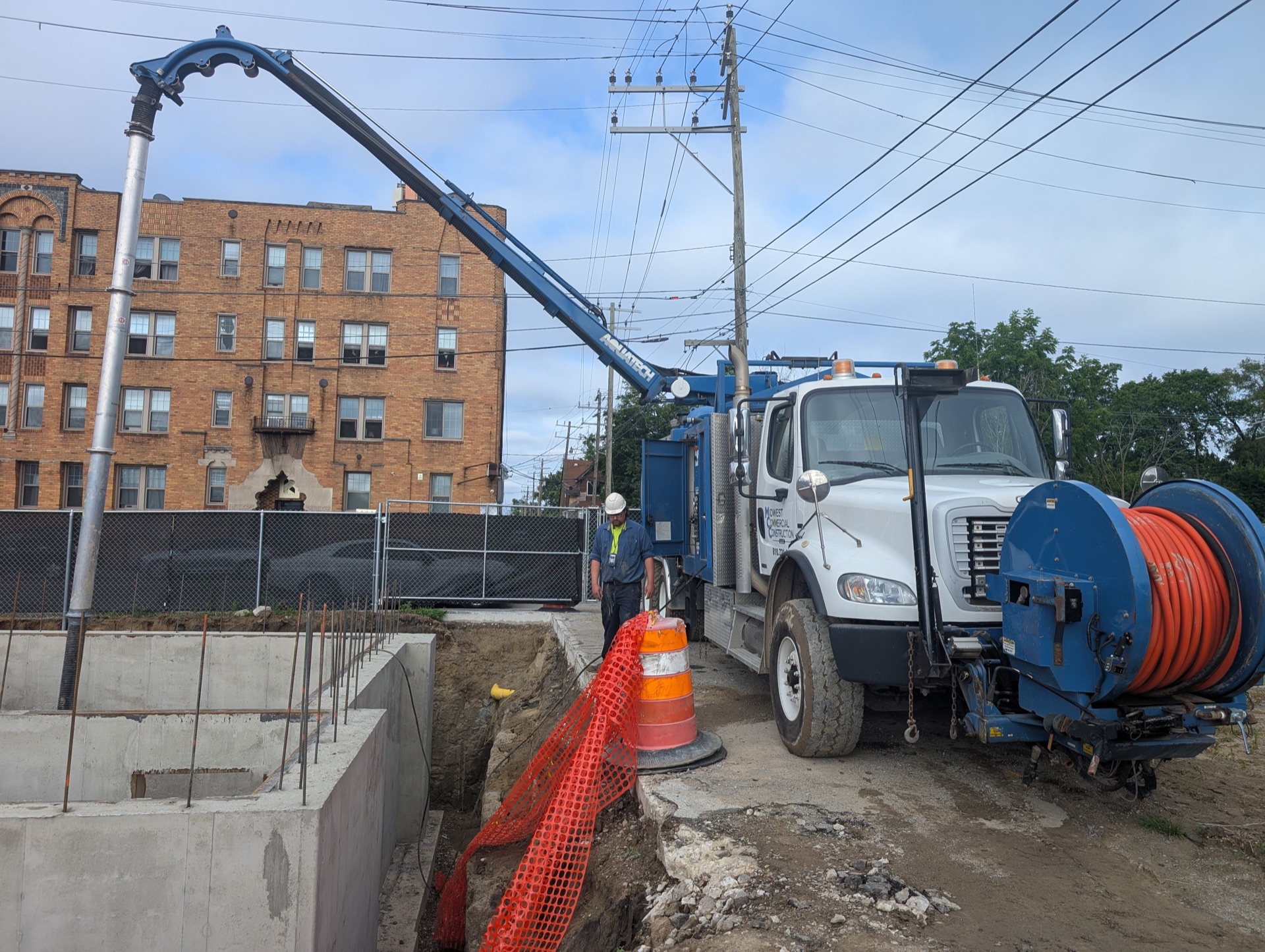
High-pressure hot water sewer jetting is a sewer cleaning method that uses pressurized water, with heated water when needed, to loosen and remove grease, sediment, sludge, debris, certain root intrusion, and other accumulated material from sewer and drainage infrastructure. It can be used for routine maintenance, blockage removal, inspection preparation, and pre-rehabilitation cleaning.
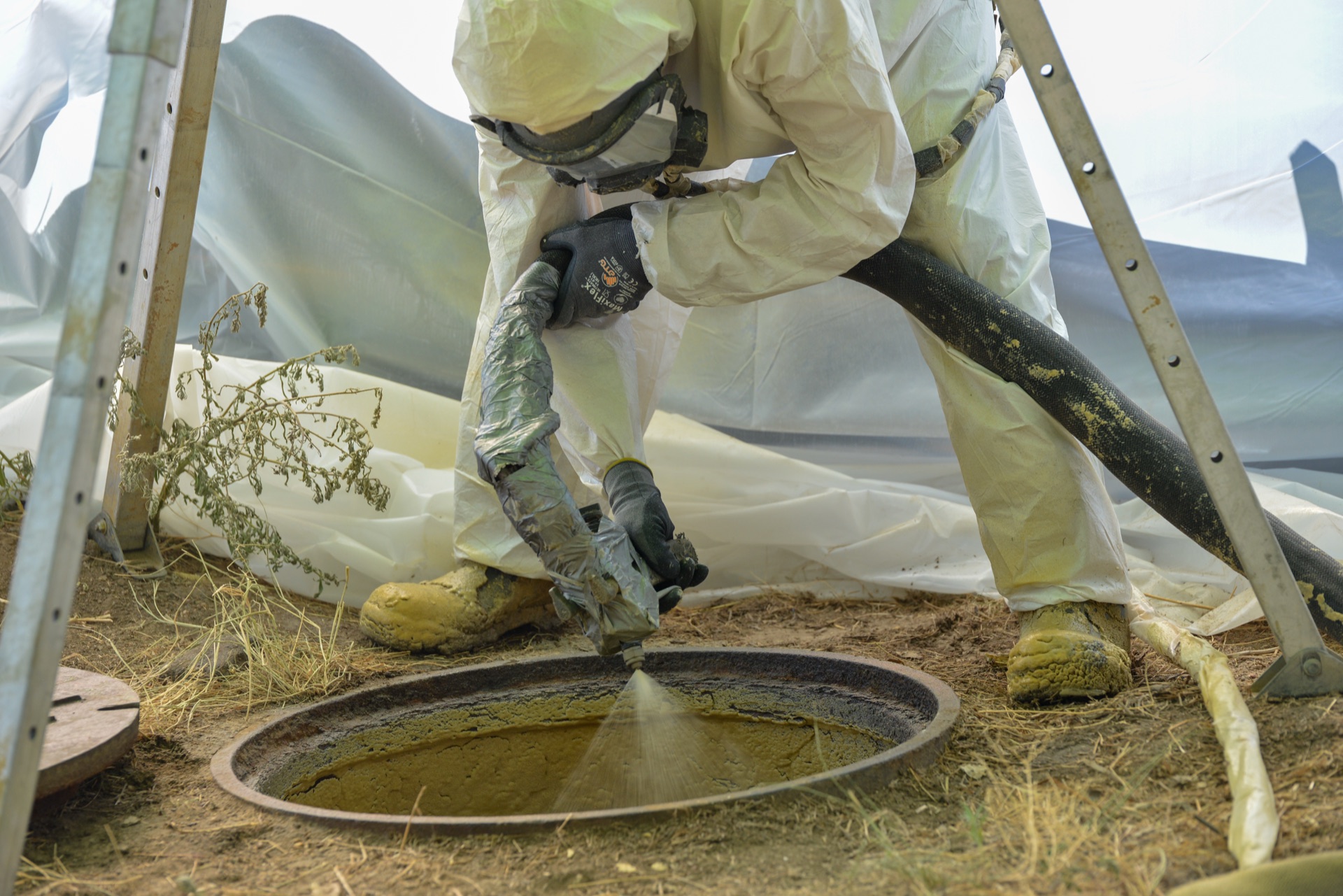
For structural rehabilitation projects, jetting is often an important first step. For instance, before a lining system such as SprayWall® can be installed, accumulated material and contaminants must be removed so the substrate can be evaluated and undergo any additional repairs, profiling, drying, and surface preparation required by the lining system.
Let’s break down how high pressure and heated water work together in the jetting process and the role each plays in cleaning sewer and drainage infrastructure.
What Is High-Pressure Sewer Jetting?
High-pressure sewer jetting uses specialized equipment to deliver pressurized water through a hose and nozzle to clean the inside of sewer and drainage pipes.
Water exits the nozzle at high pressure, allowing the jetting system to break apart and dislodge material from the interior of the pipe. The flow of water then helps move loosened material toward an access point where it can be collected and removed.
Depending on the pipe and conditions, sewer jetting can be used to address:
- Root intrusion when used with appropriate cutting or mechanical tools
- Fats, oils, and grease buildup
- Sediment
- Sludge
- Consolidated debris
- Obstructions restricting flow
- Material that must be removed before inspection or rehabilitation
The equipment, nozzle, water temperature, and jetting approach should be selected based on the pipe diameter, material, length, access points, and conditions within the line.
What Is Hot Water Sewer Jetting?
Hot water sewer jetting uses the same basic high-pressure cleaning process but introduces heated water to help remove difficult buildup, particularly fats, oils, and grease.
Fats, oils, and grease, commonly referred to as FOG, can enter collection systems through restaurants, commercial kitchens, food processing facilities, industrial operations, and other sources. As these materials cool, they can adhere to pipe walls and accumulate over time.
Hot water can soften and loosen stubborn grease deposits, while high-pressure water dislodges the material so it can be collected and removed from the system. Proper removal is important because mobilized grease that remains in the collection system can cool and accumulate again downstream.
This can make high-pressure hot water sewer jetting especially useful for:
- Food service corridors
- Industrial discharge lines
- Interceptors with significant FOG accumulation
- Sewer mains with recurring grease buildup
- Other collection systems affected by heavy FOG accumulation
Hot water is not necessary for every sewer jetting project. Its value depends on the type and severity of the buildup crews need to remove.
How Does High-Pressure Sewer Jetting Work?
High-pressure sewer jetting generally involves assessing the pipe, selecting the appropriate equipment and nozzle, cleaning the line with pressurized water, and verifying that the obstruction or buildup has been removed.
Although every project is different, the process typically involves four primary steps.
1. Pre-Jetting Assessment
Before jetting begins, crews review the pipe segment and available project information.
Important factors may include:
- Pipe diameter
- Pipe material
- Segment length
- Access locations
- Known maintenance history
- Type of blockage or buildup
- Severity of the obstruction
- Flow conditions
Understanding these conditions helps determine the appropriate equipment and cleaning approach.
When conditions allow, CCTV sewer inspection may also be performed before cleaning to help identify the type, location, and severity of an obstruction.
2. Equipment Setup and Nozzle Selection
Different sewer conditions require different cleaning tools.
Jetting equipment may include high-capacity water tanks, high-pressure pumps, hoses, and nozzles suited to different types of buildup. Penetrating nozzles may be used to open certain blockages, while flushing nozzles can help move sediment and debris through the line. Specialized cutting or mechanical equipment may be necessary for significant root intrusion or other difficult deposits.
Selecting the appropriate setup allows crews to target the conditions inside the pipe rather than approaching every sewer cleaning project the same way.
3. High-Pressure Jetting
Once the equipment is configured, the jetting hose is introduced through an appropriate access point.
In a typical gravity sewer cleaning application, the nozzle is introduced from a downstream access point and propelled into the line using rear-facing water jets. As the hose is retrieved, high-pressure water dislodges buildup and helps bring loosened material back toward the downstream access point, where it can be collected and removed.
Multiple passes may be required depending on the severity of the blockage and the amount of accumulated material.
When grease is present, hot water can help soften and loosen deposits that have adhered to the pipe.
The objective is not simply to create an opening through an obstruction. Thorough sewer jetting removes accumulated material so flow can be restored and the interior surface can be properly evaluated.
4. Post-Jetting Verification
After jetting, the line should be checked to confirm that the material has been cleared and flow has been restored.
Depending on the project, this may include visual verification or post-cleaning CCTV inspection.
On rehabilitation projects, crews can also evaluate the newly exposed surface and determine what additional preparation or repairs are needed before the lining system is installed.
How Does CCTV Work with Sewer Jetting?
CCTV sewer inspection and high-pressure jetting are often used together to identify obstructions, verify cleaning, and evaluate the condition of the pipe.
A CCTV sewer inspection uses a camera system to provide a visual assessment of conditions inside the pipe. Depending on the project and accessibility of the line, CCTV may be performed before jetting, after jetting, or both.
After jetting, CCTV can provide a clearer view of the pipe because material that previously covered or obscured the surface has been removed. Crews and infrastructure owners can then better evaluate the condition of the asset and determine whether additional maintenance, repair, or rehabilitation may be needed.
What Can Sewer Jetting Remove?
Root Intrusion
Roots can enter sewer infrastructure through joints, cracks, and other openings in search of moisture.
Once inside, they can continue growing and collect additional debris, gradually restricting flow. High-pressure jetting can address lighter root intrusion, while more substantial growth may require specialized root-cutting or mechanical equipment used alongside the jetting process.
Removing the roots addresses the immediate obstruction, but recurring root intrusion may also indicate a defect that requires further evaluation or rehabilitation.
Fats, Oils, and Grease
FOG buildup can coat the interior of a pipe and reduce its effective diameter.
Hot water sewer jetting is particularly useful in these conditions because heated water helps soften and loosen grease while high-pressure water dislodges the material so it can be removed from the system.
Sediment and Debris
Sand, silt, gravel, sludge, and other debris can accumulate within sewer mains, storm drains, catch basins, and other infrastructure.
Jetting can loosen and flush this material so it can be collected and removed.
Why Is Sewer Jetting Important Before Structural Rehabilitation?
High-pressure sewer jetting is an important first step in many trenchless infrastructure rehabilitation projects because accumulated material and contaminants must be removed before the existing substrate can be fully evaluated and prepared for a lining system.
Grease, sediment, loose material, roots, and other contaminants cannot simply be lined over.
Jetting helps remove this material and expose the existing substrate so crews can evaluate its condition and complete additional repairs, profiling, drying, or other surface preparation required by the specified rehabilitation system.
A typical rehabilitation sequence may include:
- Initial assessment and CCTV inspection
- High-pressure sewer jetting and debris removal
- Post-cleaning inspection
- Infiltration or substrate repairs as required
- Additional surface preparation, including profiling or drying as required
- Structural lining installation
- Final inspection
The exact process varies based on the asset, substrate, deterioration, access, flow conditions, and specified rehabilitation system.
Cleaning and rehabilitation are separate steps, but they are closely connected. Proper cleaning gives the rehabilitation crew a suitable starting point for the preparation and installation work that follows.
What Types of Infrastructure Can Be Cleaned With Sewer Jetting?
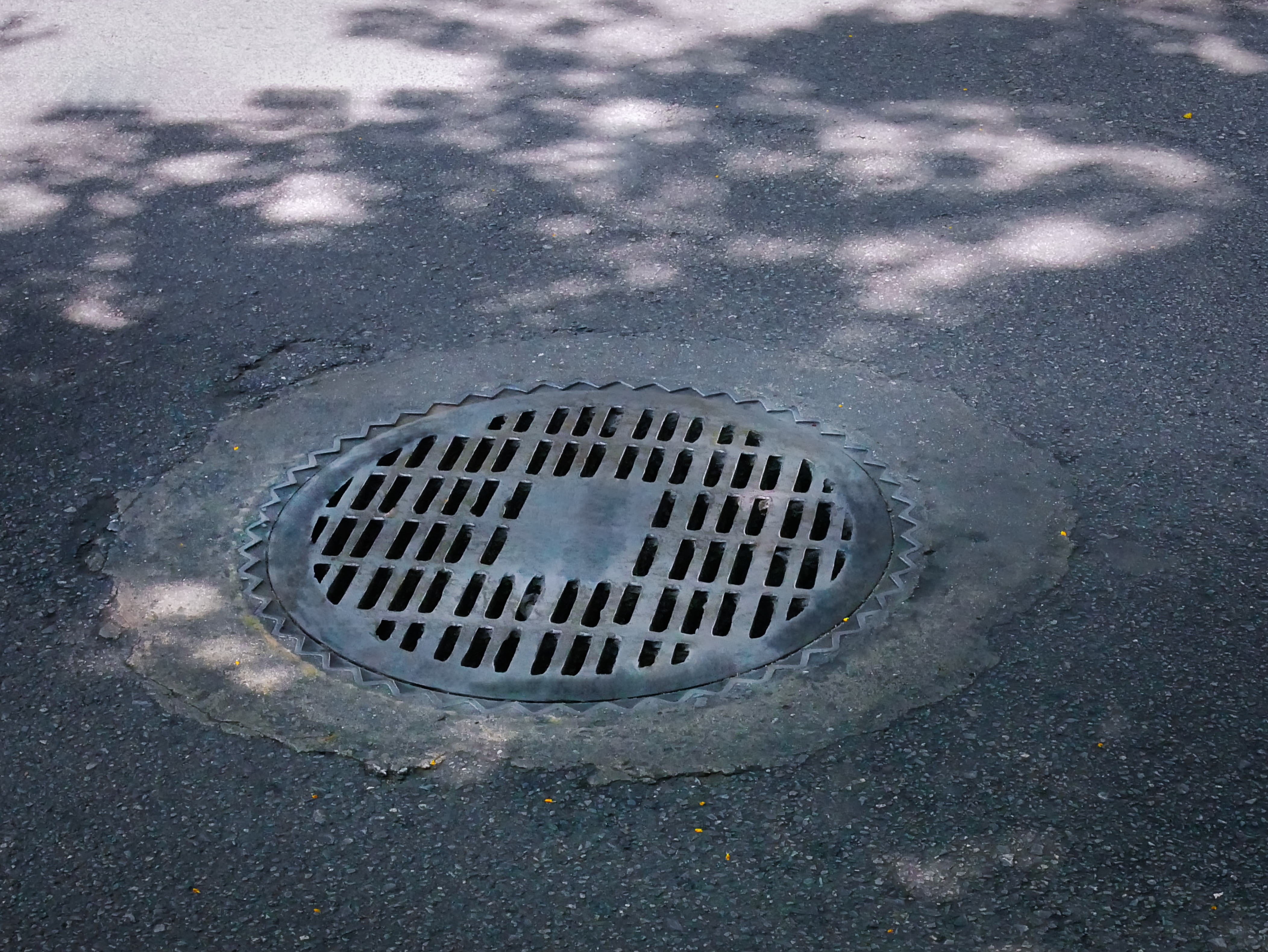
Despite the name, sewer jetting is not limited to sewer mains. High-pressure jetting can be used as part of the cleaning process for a range of municipal, industrial, commercial, and private sewer and drainage infrastructure.
Midwest Infra provides cleaning services for assets including:
- Sewer mains
- Storm drains
- Certain force mains, where system configuration and project conditions allow
- Manholes
- Catch basins
- Interceptors
- Industrial lines
- Corrugated metal pipe culverts
Midwest Infra’s equipment can accommodate lines ranging from 1.5 inches to 30 inches in diameter, allowing crews to clean everything from smaller interior drain systems and industrial lines to larger sewer and drainage infrastructure.
Depending on the asset and conditions, jetting may be combined with vacuum removal or other cleaning methods to collect and remove loosened material. The appropriate cleaning process depends on factors such as asset type, pipe diameter, material, access, flow, blockage type, and downstream conditions.
When Should Sewer Jetting Be Considered?
Sewer jetting does not have to wait until a line is completely blocked.
It may be appropriate when:
- Sewer flow has become restricted
- Recurring grease buildup is present
- Roots have entered the line
- Sediment or debris has accumulated
- Stormwater infrastructure needs cleaning
- An owner is investigating recurring maintenance issues
- A pipe or structure is being prepared for inspection or rehabilitation
The purpose of the project matters. Routine maintenance, an active blockage, a CCTV investigation, and pre-rehabilitation cleaning may all require different approaches.
High-Pressure Hot Water Sewer Jetting in Michigan
Midwest Infra provides high-pressure hot water sewer jetting services for municipal, transportation, industrial, and private sewer and drainage infrastructure throughout Michigan.
Our jetting capabilities can support routine maintenance, blockage removal, CCTV inspection, and preparation for structural rehabilitation. Depending on project conditions, crews can address grease and FOG buildup, sediment, debris, root intrusion, and other accumulated material that may restrict flow or interfere with inspection and rehabilitation work.
Who We Serve
Midwest Infra works with infrastructure owners and organizations throughout Michigan, including:
- Michigan municipalities
- School Districts
- County road commissions
- Private industrial clients
- Healthcare Facilities
- Multi-family housing companies
Frequently Asked Questions About Sewer Jetting
What Is High-Pressure Sewer Jetting?
High-pressure hot water sewer jetting is a sewer cleaning method that uses pressurized water to dislodge buildup and heated water, when needed, to help loosen grease and FOG deposits.
What Is the Difference Between Hot Water and Cold Water Sewer Jetting?
Both methods use pressurized water to clean the pipe. Hot water provides an additional advantage when fats, oils, and grease are present because elevated temperatures help soften and loosen stubborn grease deposits so they can be removed.
Is Sewer Jetting the Same as Hydro Jetting?
The terms sewer jetting and hydro jetting are commonly used interchangeably to describe cleaning sewer and drainage lines with high-pressure water. The specific equipment, water temperature, pressure, nozzle, and cleaning approach vary based on the infrastructure and project conditions.
Can Sewer Jetting Remove Tree Roots?
High-pressure jetting can address some lighter root intrusion, while substantial root growth may require specialized cutting or mechanical equipment used with the jetting process. Removing roots does not repair the opening or defect that allowed them to enter the pipe, so additional inspection or rehabilitation may be necessary.
Why Is CCTV Used with Sewer Jetting?
CCTV can help identify obstructions before jetting when conditions allow. After cleaning, it provides a clearer view of the pipe surface and can help verify cleaning and identify deterioration or defects that may require additional work.
Why Is Sewer Jetting Commonly Used Before Pipe Lining?
The existing surface must be properly cleaned and prepared before a lining system is installed. High-pressure sewer jetting is commonly used to remove grease, sediment, debris, roots, and other accumulated material so the substrate can be evaluated.
Additional repairs, profiling, drying, or other surface preparation may also be required depending on the substrate and specified lining system.
Does Sewer Jetting Fix a Damaged Sewer Pipe?
No. Sewer jetting is a cleaning process, not a structural repair. If cleaning or CCTV inspection reveals corrosion, cracks, infiltration, or other deterioration, additional repair or rehabilitation may be needed.